
technology, sourcing & data governance review
2021 annual report
CONTENTS
Chapter 1: Advanced Data Governance & Foundations of AI Privacy
1.1: The Finalized Modular SCC Framework: Navigating the Mandatory Overhaul of Transatlantic Data Processing Addendums
1.2: The First Wave of Massive GDPR Fines: Managing Data Minimization Rules and Consumer Gating Liabilities
1.3: Navigating Emerging Artificial Intelligence Principles: Establishing Corporate Governance Over Early Automated Decision Software
Chapter 2: Digital Solutions, Transformation & Tech Ecosystems
2.1: The Shadow IT Explosion: Mitigating Corporate Security Risks of Mass Remote Work App Adoptions
2.2: The Demise of Localized Hosting: Transforming Enterprise Assets via Rapid Public Cloud Migrations
2.3: The Single Sign-On (SSO) Vulnerability Surge: Restructuring Access Identity Boundaries to Counter Credential Stuffing
Chapter 3: Software Development, Integration & Enterprise Licensing
3.1: The Open-Source Software Supply Chain Threat: Restructuring Tech Warranties Post-Systemic Zero-Day Vulnerabilities
3.2: Legacy System Migrations & Cloud Transitions: Restructuring Cloud Licensing Terms to Prevent Punitive Over-Usage Assessments
3.3: The Rise of Aggressive Virtualization Audits: Defending Enterprise Assets Against Punitive Remote-Work Retro-Billing
Chapter 4: Strategic Sourcing & Commercial Transactions
4.1: The Maritime Container Logjam and Suez Canal Closure: Navigating Unprecedented Force Majeure and Logistics Gridlock
4.2: The Global Semiconductor Shortage: Re-Engineering Master Supply Covenants to Manage Component Rationing
4.3: Navigating Expanding Multi-National Sanctions: Hardening Compliance Firewalls Across Global Supply Networks
Chapter 1: Advanced Data Governance & Foundations of AI Privacy
1.1 The Finalized Modular SCC Framework: Navigating the Mandatory Overhaul of Transatlantic Data Processing Addendums
International corporate operations faced a significant operational and administrative challenge following the European Commission's formal release of its modernized Standard Contractual Clauses (SCCs). Replacing legacy contractual transfer models that had been used for decades, this updated framework required multinational corporations to completely review their international data-sharing agreements. Any data transfer pipeline still relying on outdated contractual clauses faced immediate invalidation by data protection regulators.
The primary compliance challenge focused on the mandatory transition away from generic, one-size-fits-all data processing addendums to a strict modular structure. Legal operations teams were required to precisely analyze and match the exact data relationship for each individual cross-border transfer pathway. Transactional lawyers had to select from four explicit operational scenarios:
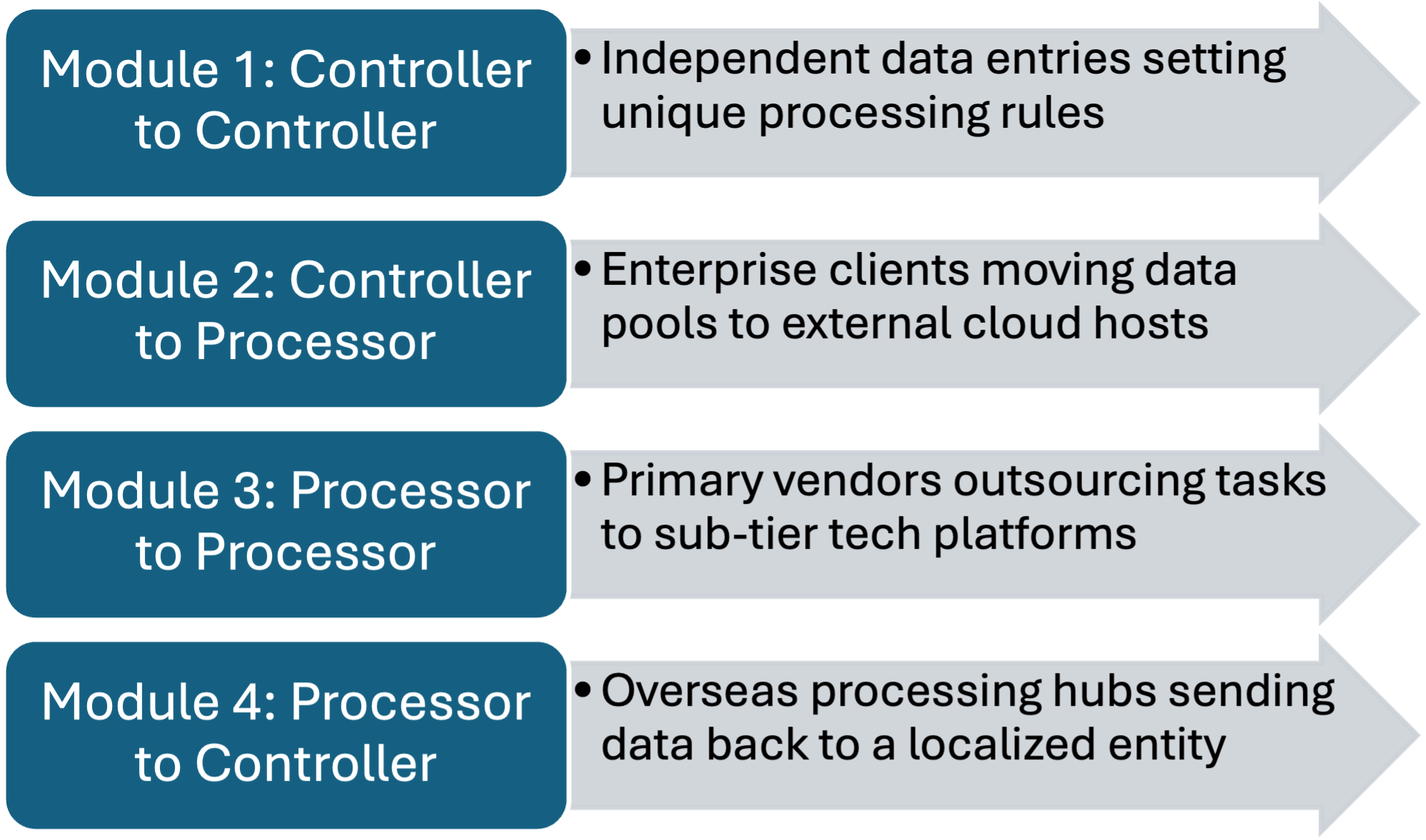
Furthermore, data protection authorities accelerated technical audits of high-volume cross-border data pipelines, particularly within cloud infrastructure platforms, financial services networks, and global human resource environments. Under strict international privacy regulations, utilizing non-compliant data transfer agreements carried immediate administrative risks, including fines of up to 4% of global annual turnover or €20 million, whichever was higher. To preserve operational continuity, corporate compliance groups had to combine these modular contracts with documented Transfer Impact Assessments (TIAs) to evaluate destination surveillance laws.
Cross-Border Transfer Protocol
MAP DATA OVERLAYS Identify all overseas endpoints, storage nodes, and sub-processor targets.
ASSIGN MODULAR ROLES Select the specific contract module matching the transaction pathway.
DOCUMENT LOCAL TIAs Perform comprehensive legal risk assessments of the destination country's surveillance laws.
ENFORCE TECHNICAL TRMs Implement strict regional encryption controls to protect outbound data pools.
Comprehensive Compliance Checklist
Audit Global Data Pipelines: Map every cross-border data transfer pathway across all corporate subsidiaries and third-party SaaS vendors.
Incorporate Modular Clauses: Formally execute the finalized modular clauses into all active master data processing addendums.
Archive Written TIAs: Complete and file formal, documented Transfer Impact Assessments for every international data destination lacking an official adequacy decision.
Verify Regional Encryption: Confirm that all outbound data transfers utilize technical safeguards, such as localized encryption keys, to shield data from unauthorized foreign access.
1.2 The First Wave of Massive GDPR Fines: Managing Data Minimization Rules and Consumer Gating Liabilities
Multinational enterprises faced intense litigation exposure as European data protection authorities moved away from initial compliance warnings to issuing historic, record-breaking financial penalties. Regulatory agencies targeted structural data privacy violations, particularly focusing on unconsented consumer behavioral tracking, opaque ad-tech profiling, and deceptive web interface patterns. This enforcement shift made it clear that corporate compliance operations had to treat data privacy as a fundamental engineering baseline rather than a superficial policy add-on.
The core regulatory risk centered on strict enforcement of the "data minimization" and "purpose limitation" principles. Regulatory bodies flagged web platforms and digital systems that automatically harvested extensive consumer behavioral metrics, device analytics, and location logs without explicit, affirmative user authorization.

Failing to secure explicit user opt-in before loading analytics pixels or tracking scripts resulted in massive administrative fines that directly threatened corporate profitability metrics. Consequently, technology executives and corporate counsel had to execute an immediate restructuring of their customer-facing digital properties. Web teams were forced to dismantle deceptive design tricks and deploy clear, balanced consent choices that treated opt-out decisions with the same prominence as opt-in permissions.
Digital Data Access Tiers
Core Functional Scripts: Technical files required strictly to load basic page layouts, process e-commerce shopping baskets, or maintain secure user login states; exempt from opt-in gating.
Internal Performance Metrics: Site optimization code designed to measure general traffic volume and page interactions, requiring clear disclosure notices.
Targeted Marketing Trackers: High-risk third-party advertising pixels that monitor external user behavior to build commercial profiles, subject to absolute opt-in rules.
Comprehensive Compliance Checklist
Log Web Pixel Inventories: Run automated network scans across all corporate web properties to identify, categorize, and log every background tracking script.
Implement Absolute Script Gates: Configure website entry code to block all marketing cookies and tracking pixels from executing prior to explicit user authorization.
Clean Consent Banner Visuals: Review data preference screens to ensure that "Reject All" selections match "Accept All" controls in size, placement, and color.
Validate Consent Storage: Maintain secure, time-stamped, and anonymized logs of user tracking selections to provide immediate proof of compliance during regulatory audits.
1.3 Navigating Emerging Artificial Intelligence Principles: Establishing Corporate Governance Over Early Automated Decision Software
Corporate operations faced significant pressure as international regulatory bodies and standard-setting organizations began publishing formal frameworks for trustworthy artificial intelligence, automated machine learning, and algorithmic auditing. Boards could no longer treat automated software optimization tools as simple, unregulated IT applications. Early drafts of modernized digital guidelines made it clear that enterprises would soon face strict corporate requirements to explain, justify, and control the outcomes of automated processes.
The primary compliance challenge focused on the operational risks of automated bias, algorithmic discrimination, and unmapped automated choices. If an organization deployed an automated software model to manage employee hiring profiles, calculate customer credit scores, or optimize commercial product access, the firm remained fully liable if the system utilized historical data that produced discriminatory outcomes.
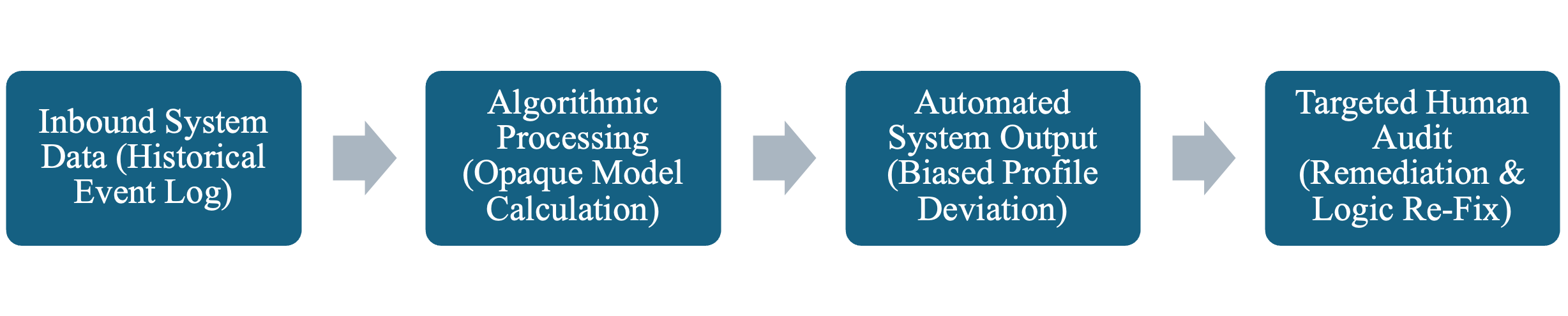
To insulate corporate governance pipelines, legal teams and technology groups had to collaborate to build formalized, cross-functional algorithmic steering committees. These internal oversight panels were tasked with reviewing software logic, mapping underlying training data lineages, and establishing clear human-override parameters before automated tools could be integrated into core commercial business lines.
Algorithmic Oversight Milestones
Milestone 1: Software Cataloging: Internal technical groups discover and register every automated system and machine learning script used across business divisions.
Milestone 2: Data Origin Mapping: Compliance analysts trace the exact source, age, and copyright status of all datasets utilized to train automated models.
Milestone 3: Bias Metric Testing: Data science teams run simulated transactions through active software to identify and isolate biased output deviations.
Milestone 4: Human-in-the-Loop Gating: Legal teams insert mandatory human review gates to authorize or override automated software selections in high-risk categories.
Comprehensive Compliance Checklist
Construct a Central AI Registry: Create a comprehensive, auditable database of all proprietary and licensed machine learning scripts deployed across business units.
Audit Model Training Inputs: Screen historical datasets used by internal decision software to verify data cleanliness and eliminate embedded demographic biases.
Hardcode Human Override Gates: Integrate mandatory human-in-the-loop verification steps within all automated software programs managing high-risk consumer or employee evaluations.
Document Automated System Logic: Require software developers to generate clear, written documentation explaining the mathematical logic and input weights behind automated choices.
Chapter 2: Digital Solutions, Transformation & Tech Ecosystems
2.1 The Shadow IT Explosion: Mitigating Corporate Security Risks of Mass Remote Work App Adoptions
The rapid, uncoordinated migration to permanent hybrid and remote work environments triggered an unprecedented explosion of unauthorized software deployments across distributed corporate networks. Remote workforces routinely bypassed formal IT procurement channels to download unvetted video conferencing tools, cloud-based note-taking platforms, and digital collaboration software to optimize their remote productivity. This structural surge of "Shadow IT" removed critical corporate control over data environments, exposing corporate endpoints to immense vulnerability.
The core legal and operational challenge centered on standard third-party data processing boundaries. If a remote worker pasted proprietary company code, corporate financial assets, or sensitive consumer records into an unvetted cloud software ecosystem, the organization incurred an immediate data leakage breach under global privacy rules.
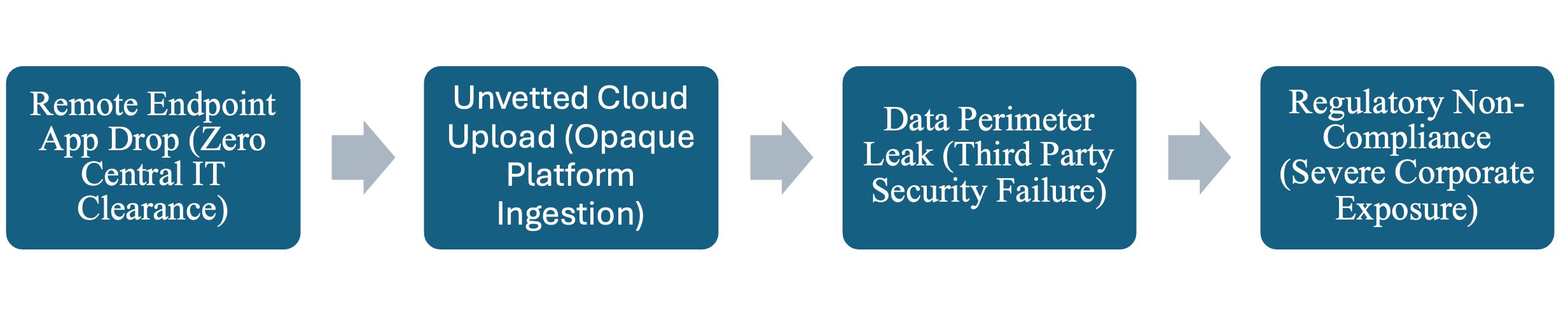
To regain visibility, CIOs and legal compliance teams were forced to discard legacy perimeter security assumptions. They rapidly implemented continuous technical endpoint inventory systems to detect, intercept, and block unvetted web applications before they could process corporate assets.
Remote Software Access Levels
Enterprise Whitelisted Apps: Highly secured corporate software ecosystems tied directly to centralized single-sign-on (SSO) and data tracking networks.
Unvetted Collaboration Utilities: Operational freemium project software running without formal IT security reviews, requiring urgent sandboxing.
Banned Public Transfer Tools: Free public file-hosting networks and unencrypted messaging clients subject to immediate administrative blocks.
Comprehensive Compliance Checklist
Deploy Endpoint Inventory Systems: Install automated background network tools to actively track, register, and analyze all applications installed on remote corporate devices.
Establish Central Clearance Frameworks: Provide a quick, formal compliance review pathway for remote teams to request the validation and onboarding of missing productivity software.
Implement Automated Network Blocks: Configure enterprise mobile device management (MDM) platforms to instantly prevent unapproved file-sharing tools from launching.
Update Digital Security Policies: Revise remote working policies to explicitly state the specific classifications of business data permitted on managed endpoints.
2.2 The Demise of Localized Hosting: Transforming Enterprise Assets via Rapid Public Cloud Migrations
To support the infrastructure demands of a permanently decentralized marketplace, corporate technology divisions executed a massive acceleration of public cloud migrations. Organizations systematically dismantled physical, on-premise hardware server rooms and moved core operational platforms, enterprise resource planning arrays, and data warehouses into hyperscale public cloud networks. This massive transformation promised reduced capital expenditures, but quickly created severe contractual and financial risks if the migration terms were poorly drafted.
The primary legal friction point involved navigating hidden data transaction costs and variable pricing structures within standard hyperscaler templates. Enterprises frequently signed master cloud agreements without identifying complex variable metrics, which triggered massive billing overruns when cloud system utilization scaled up rapidly during high-volume commercial seasons.

Consequently, commercial procurement teams had to completely change how they reviewed tech transactions. Sourcing managers moved away from static hardware support renewals toward drafting specialized cloud consumption guardrails, clear service level agreements, and guaranteed computing resource caps to control their variable software costs.
Cloud Inbound Transformation Phases
INFRASTRUCTURE ARCHITECTURE Audit all legacy on-premise business assets to measure computing footprints before migration.
RESTRICT CORES Configure virtualized processing cloud nodes to map precisely to pre-cleared software budgets.
METER TRANSACTION FEEDS Deploy automated alerts within cloud portals to track system compute-hour consumption in real time.
UNBUNDLE PLATFORM LICENSES Renegotiate master vendor bundles to ensure clear division between core software and database access fees.
Comprehensive Compliance Checklist
Audit Cloud Consumption Models: Review all incoming public cloud master service agreements to identify variable data egress or storage penalties.
Enforce Resource Limitation Caps: Set up automated spending ceilings within cloud administrative dashboards to block unexpected processing spikes.
Negotiate Cloud Uptime Warranties: Require public cloud providers to deliver binding infrastructure accessibility guarantees backed by financial credits.
Validate Transitional Security: Secure data streams with advanced encryption keys held under strict internal corporate control during the migration process.
2.3 The Single Sign-On (SSO) Vulnerability Surge: Restructuring Access Identity Boundaries to Counter Credential Stuffing
The rapid consolidation of enterprise software tools into centralized Single Sign-On (SSO) and identity access panels created a high-risk security vulnerability profile across global businesses. While identity portals simplified user access for remote workforces, they also created a single point of failure for corporate security systems. Sophisticated cyber networks launched massive credential-stuffing and phishing campaigns targeting weak remote user access credentials, allowing them to compromise a single employee account and gain deep lateral access to an enterprise's entire private cloud ecosystem.
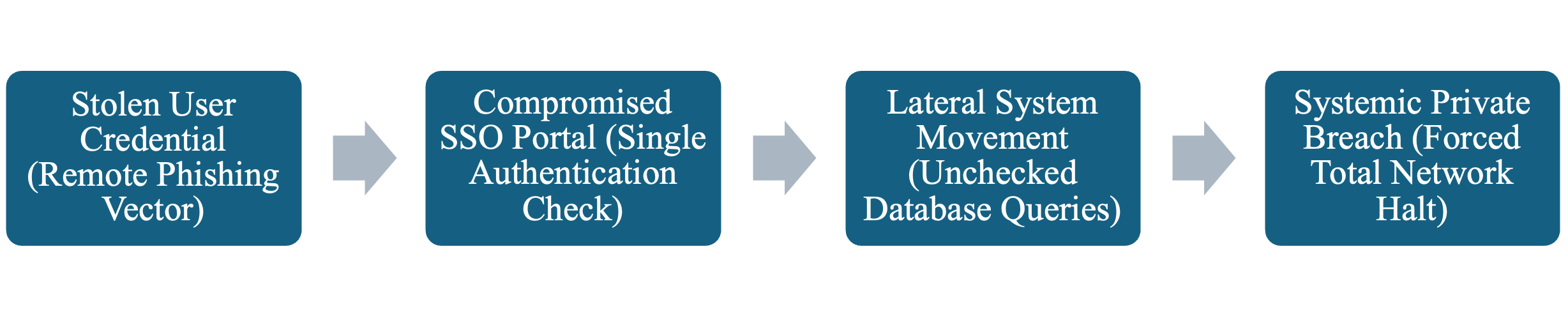
The primary operational risk centered on the complete absence of internal system checkpoints once an identity portal was breached. To protect transactional and corporate data assets, security operations teams had to abandon passive password-entry protocols. They turned to restructure internal tech environments, establishing multi-factor verification frameworks, device context checking, and strict least-privilege data access boundaries across all corporate user accounts.
Identity Verification Parameters
Tier 1: Multi-Factor Authentication: Mandatory generation of dynamic, time-sensitive access codes via approved security tokens or mobile verifiers.
Tier 2: Device Context Validation: Automated scanning of matching machine serials, operating system update versions, and network connection locations before login clearance.
Tier 3: Least-Privilege Segmentation: Restricting verified user accounts exclusively to the specific application modules required for their immediate role.
Comprehensive Compliance Checklist
Enforce Unified MFA Protocols: Mandate multi-factor authentication across all active corporate user accounts, remote access points, and legacy software systems.
Audit Lateral Access Rules: Review internal software settings to eliminate broad user groups, ensuring strict separation between different corporate departments.
Deploy Context Gated Authentication: Configure single-sign-on control panels to automatically block login attempts coming from unauthorized geographic locations.
Audit Contractor Access Portals: Perform routine security reviews on all dedicated access paths granted to external consultants and outsourced services vendors.
Chapter 3: Software Development, Integration & Enterprise Licensing
3.1 The Open-Source Software Supply Chain Threat: Restructuring Tech Warranties Post-Systemic Zero-Day Vulnerabilities
The global commercial software landscape sustained its most severe security crisis following the discovery of deep, systemic zero-day vulnerabilities embedded within core open-source logging libraries used in millions of enterprise systems worldwide. Because commercial software vendors had routinely pulled unvetted open-source code fragments into their proprietary products for years, thousands of global enterprise applications became immediately open to remote exploit. This crisis triggered a permanent realignment of commercial software transaction warranties and procurement due diligence.
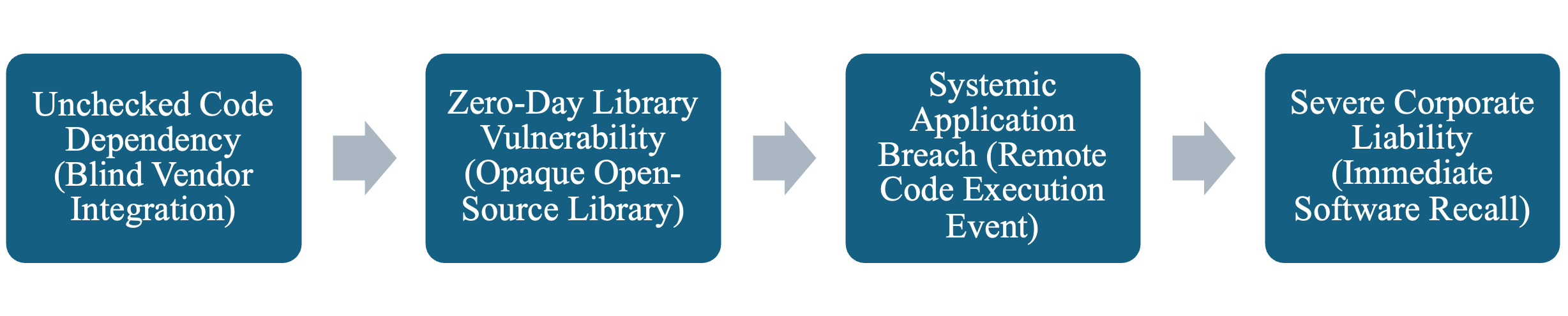
Enterprise software buyers realized they could no longer rely on traditional vendor boilerplate terms that offered software on an "as-is" basis with zero liability for open-source code flaws. Sourcing operations and corporate counsel completely restructured their technology transaction templates. They began demanding the delivery of machine-readable Software Bills of Materials (SBOMs) and forcing software providers to assume direct liability and explicit patching timelines for any open-source components running within their tech stacks.
Software Ingestion Risk Tiers
Unmapped Code Components: Open-source software fragments integrated into commercial products without formal origin records or version logging.
Documented Software Packages: Enterprise applications delivered alongside detailed component inventories and signed vendor patch commitments.
Clean-Room Certified Builds: Software assets developed within audited internal environments using automated vulnerability testing pipelines.
Comprehensive Compliance Checklist
Mandate Machine-Readable SBOMs: Insert non-negotiable clauses into all software procurement frameworks requiring vendors to deliver an archived Software Bill of Materials.
Strip Unilateral As-Is Exclusions: Renegotiate incoming master software licensing agreements to reject vendor liability waivers for third-party open-source code elements.
Embed Strict Patch SLAs: Include legally binding service level agreements requiring software providers to deliver verified security patches within hours of a vulnerability disclosure.
Deploy Continuous Vulnerability Scanners: Integrate automated static analysis tools into internal development environments to detect and block vulnerable library versions.
3.2 The Rise of Aggressive Virtualization Audits: Defending Enterprise Assets Against Punitive Remote-Work Retro-Billing
Faced with declining traditional licensing revenues, major legacy enterprise software publishers launched intense corporate compliance audits targeting organizations that had rapidly deployed virtualized remote work environments. Software providers aggressively targeted organizations running legacy client-server software within modern virtualized cloud networks. Vendors claimed that permitting remote workers to access centralized data centers via virtual desktop infrastructure violated historic "per-user" or "per-core" agreement metrics, resulting in massive retroactive licensing claims and surprise compliance bills.
The core legal challenge involved defending against punitive vendor interpretations of "indirect access" or "multiplexing" clauses within legacy End User License Agreements (EULAs). Publishers argued that any hardware device or automated backend script connecting to a virtualized database layer required a standalone corporate user license.

To resolve these severe financial liabilities, corporate procurement managers had to rapidly set up dedicated Software Asset Management (SAM) teams to trace their exact virtualization pathways and renegotiate legacy contract matrices into modern enterprise utility subscriptions.
Enterprise Software Asset Auditing Protocol
TRACE VIRTUAL INTERFACES Map every virtual desktop endpoint and server connection layout hosting legacy enterprise code.
SEGREGATE SERVER CORES Configure cloud hypervisors to isolate legacy enterprise software within restricted single-tenant environments.
LOG COMPLIANCE DISCREPANCIES Conduct internal license checks to discover and fix user seat overages before vendor audit notices arrive.
RESTRUCTURE CONTRACT POOLS Renegotiate multi-year renewals to replace legacy per-device metrics with transparent, enterprise-wide parameters.
Comprehensive Compliance Checklist
Audit EULA Virtualization Restrictions: Conduct deep reviews of all active software agreements to discover hidden financial liabilities surrounding remote user multiplexing.
Hardcode Cloud Core Partitions: Restrict legacy database applications to dedicated cloud server partitions to prevent automated core-count pricing escalations.
Deploy Real-Time SAM Portals: Implement centralized software tracking tools to trace active user seat allocations across all hybrid corporate environments.
Enforce Extended Audit Notice Terms: Update master procurement templates to require minimum 30-day notifications and restrict vendor network data access during audits.
3.3 The Commercial Transition to Metered API Access: Restructuring B2B Software Agreements Around Transactional Metrics
The rapid expansion of the digital economy drove a major shift in enterprise software distribution, transforming Application Programming Interfaces (APIs) from simple developer connectors into core commercial products. Software development firms began moving away from legacy, flat-rate enterprise application agreements toward metered, transaction-based API distribution models. This commercial shift required technology transaction teams to completely re-engineer their master B2B software agreements to prevent severe revenue leakage while retaining target operational flexibilities.
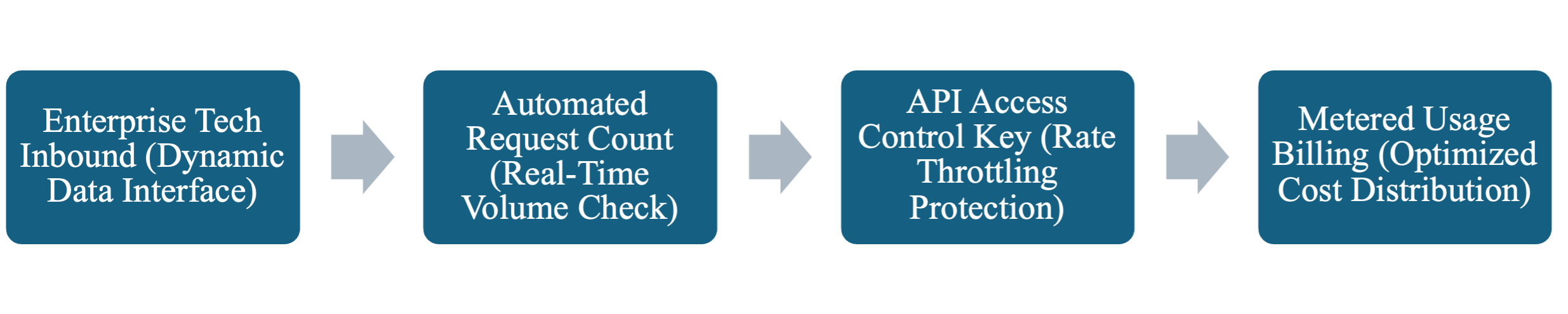
The primary compliance challenge focused on drafting clear definitions of "billable transactions" within API licensing frameworks. Contracts had to explicitly clarify how data queries, system webhooks, and automated system responses were counted and billed.
Furthermore, sourcing managers had to build strict automated rate-limiting provisions and clear service grace periods into their technical architectures. These mechanisms ensured that unexpected transactional spikes generated by external bots or seasonal consumer surges would not trigger massive billing overruns or sudden operational system halts.
Metered Software Distribution Structures
Dynamic Consumption Brackets: Variable software scaling structures where corporate subscription costs adjust automatically based on data request volumes.
Hard Rate-Limited Systems: Rigid API access pathways configured with automated data throughput blocks to prevent unauthorized maverick spending.
Legacy Flat Subscription Tiers: Unmonitored connection architectures requiring urgent renegotiation to prevent system throttling by the vendor.
Comprehensive Compliance Checklist
Define Metric Billing Parameters: Ensure all enterprise software contracts explicitly detail what constitutes a billable API data transaction.
Implement Automated Access Gating: Deploy technical rate-limiting guardrails within API portals to instantly block or slow anomalous web request surges.
Insert Dynamic Usage Alerts: Mandate that software providers build real-time consumption dashboards with automated email flags when usage hits 80% of volume limits.
Audit Downstream Code Data Use: Review data extraction behavior across all third-party API keys to confirm total compliance with corporate intellectual property parameters.
Chapter 4: Strategic Sourcing & Commercial Transactions
4.1 The Maritime Container Logjam and Suez Canal Closure: Navigating Unprecedented Force Majeure and Logistics Gridlock
Global strategic sourcing and procurement operations faced extreme structural disruption as the international shipping network sustained severe, simultaneous shocks, including acute maritime container shortages and the historic, multi-week closure of the Suez Canal. These unprecedented logjams permanently shattered "just-in-time" lean inventory models. Sourcing executives found their international material pipelines completely frozen, triggering widespread manufacturing delays, severe cargo backlogs at major ports, and skyrocketing global shipping costs.
The core legal challenge centered on managing widespread contract defaults and navigating uncoordinated, defensive force majeure declarations across international supplier networks. Standard boilerplate contract language was frequently legally insufficient to resolve which entity assumed the massive financial liabilities of extended port delays, cargo spoilage, and emergency air-freight re-routing costs.
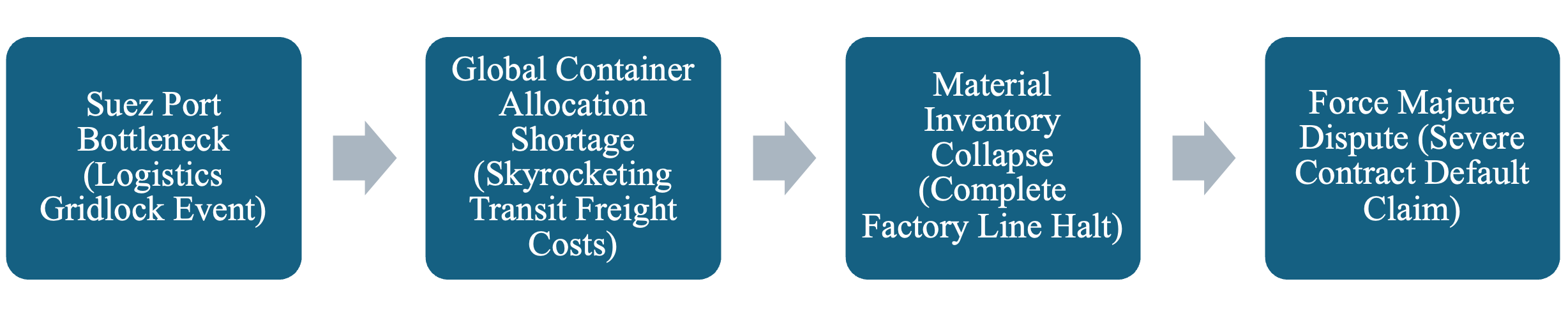
Unwinding these vulnerabilities required procurement teams to thoroughly overhaul their master purchase orders. They dismantled single-vendor exclusivity covenants and introduced dynamic multi-region volume allocation clauses, allowing corporations to instantly shift production parameters between primary and secondary nearshore suppliers when local logistics networks failed.
Redundant Sourcing Allocation Matrices
Primary Geographic Sourcing: Core manufacturing partners managing standard high-volume component production, bound to strict, real-time inventory reporting.
Nearshore Redundancy Channels: Secondary suppliers maintained in stable regional proximity, contractually cleared to ingest redirected production capacity instantly.
Spot-Market Procurement Pools: Pre-vetted alternative vendor registries authorized for short-term commodity buying to clear temporary manufacturing backlogs.
Comprehensive Compliance Checklist
Dismantle Single-Source Exclusivity: Review and rewrite all active procurement templates to strip out restrictive single-vendor exclusivity locks or mandatory minimum purchase orders.
Embed Dynamic Allocation Provisions: Insert flexible contractual text in all master supply agreements, granting the firm the absolute right to reallocate order volumes between suppliers without penalty.
Deconstruct Force Majeure Criteria: Revise contract boilerplate to explicitly define the boundaries of excusable delivery delays, removing generic economic hardships from force majeure coverage.
Establish Emergency Sourcing Playbooks: Conduct comprehensive multi-region onboarding reviews to pre-clear alternative component suppliers against domestic import and compliance rules.
4.2 The Global Semiconductor Shortage: Re-Engineering Master Supply Covenants to Manage Component Rationing
Strategic procurement and hardware engineering divisions faced critical commercial exposure due to the acute, structural global semiconductor shortage. As manufacturing capacity failed to meet booming global consumer demand, chip foundries and component suppliers implemented strict allocation quotas and extensive lead times. This global rationing system left purchasing enterprises vulnerable to immediate production halts, creating severe contractual defaults with downstream commercial distributors.
The primary legal and technical challenge involved eliminating legacy single-source dependencies and restructuring fixed-volume purchasing commitments. Standard boilerplate sourcing terms lacked the flexibility required to adapt to extended multi-month lead times and unilateral vendor allocation cuts.

To protect operational resilience, procurement teams had to thoroughly overhaul their master manufacturing templates. They introduced component substitute clauses and dynamic volume-shifting provisions that allowed engineering teams to rapidly alter hardware designs and pivot assembly lines to alternative microchip architectures when primary allocations failed.
Component Rationing Mitigation Phases
COMPONENT CRITICALITY ASSESSMENT Map all inbound electronic components to discover high-risk dependencies on single chip architectures.
HARDWARE ALTERNATION COVENANTS Rewrite master supply contracts to permit the immediate deployment of alternative microchip models without re-certification penalties.
DYNAMIC BUFFER ALLOCATIONS Restructure inventory models to mandate the storage of multi-month buffers for critical, high-lead components.
SUPPLIER LIQUIDITY SCREENING Execute regular financial health audits across key sub-tier suppliers to detect operational instability during rationing spikes.
Comprehensive Compliance Checklist
Review Component Exclusivity Locks: Eliminate all restrictive single-vendor chip exclusivity clauses from master manufacturing documentation.
Embed Alternative Component Lists: Insert explicit technical variances into supply agreements, allowing production teams to switch to pre-cleared component alternatives instantly.
Enforce Allocation Visibility: Mandate that primary component suppliers deliver weekly, rolling 12-month capacity forecasts to track potential delivery shortfalls.
Audit Downstream Liability Shields: Revise client distribution contracts to include clear liability limitations if global component shortages delay final delivery timelines.
4.3 Navigating Expanding Multi-National Sanctions: Hardening Compliance Firewalls Across Global Supply Networks
The rapid, uncoordinated expansion of international trade restrictions, economic embargoes, and corporate entity blacklists created severe compliance risks across cross-border sourcing operations. Regulatory authorities enacted rigorous trade compliance mandates targeting forced labor corridors and restricted technology transfer networks. This shifting trade landscape made it clear that purchasing organizations could no longer hide behind standard Tier 1 vendor declarations to protect their shipping paths.
The core legal risk centered on structural corporate negligence claims and immediate asset seizures at international customs borders. If a secondary component provider or sub-tier raw material refinery utilized resources sourced from blocked geographical territories or blacklisted entities, the final corporate importer faced immediate civil prosecution, heavy financial fines, and total product confiscation.
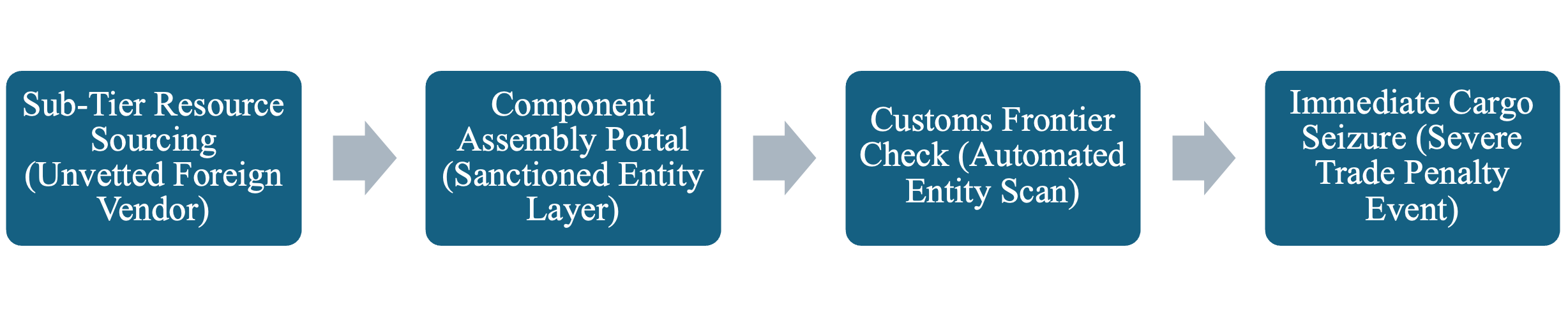
Consequently, procurement operations had to rapidly transition away from reactive, paperwork-heavy compliance tracking. They turned to implement automated, real-time multi-tier supplier monitoring networks to audit their entire upstream value chain down to the raw material origin.
Trade Compliance Enforcement Tiers
Blacklisted Entity Networks: International organizations and corporate entities subject to absolute economic trade blocks, requiring immediate software-level procurement filters.
Restricted Material Corridors: Specific geographical regions subject to targeted forced labor or trade enforcement actions, requiring comprehensive chain-of-custody tracking.
Verified Compliant Pathways: Sourcing channels backed by automated tracking records and verified, documented bills of lading from origin to border.
Comprehensive Compliance Checklist
Deploy Automated Sanctions Scanners: Integrate real-time compliance tracking tools into central ERP architectures to verify upstream suppliers against global blacklists daily.
Embed Comprehensive Tracing Clauses: Insert non-negotiable origin warranty covenants into all master purchasing documents to compel suppliers to deliver sub-tier source verification metrics.
Conduct Preemptive Customs Audits: Schedule regular internal technical reviews of shipping documentation to confirm data readiness before formal customs entry declarations are made.
Isolate High-Risk Foreign Contracts: Establish strict internal review gates for any cross-border commercial transactions involving joint development ventures in volatile trade zones.
This publication, which we believe may be of interest to our clients and friends of Palantir Advisors, is for general information only. It should not be relied upon as legal advice as facts and circumstances may vary. The sharing of this information will not establish a client relationship with the recipient unless Palantir Advisors is or has been formally engaged to provide legal services.
© 2026 Palantir LLC. All rights reserved.